Global Markets Rally as Cities Reset Their Commuting Habits
A quiet shift in how city dwellers travel is starting to show up in earnings reports, transport data and the daily rhythm of major financial centers.
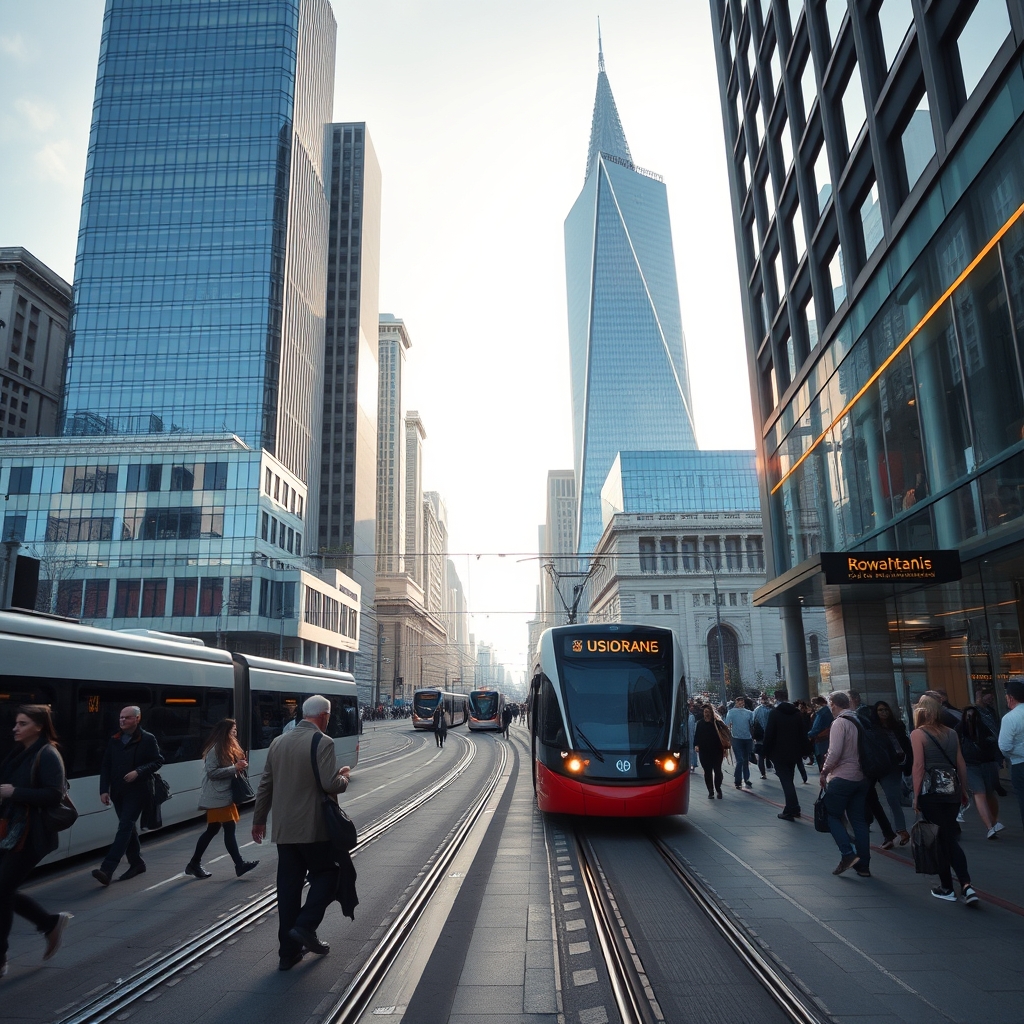
A morning that changed
The first signs appeared in transport apps, not trading screens. Commuters in several large cities began leaving later, traveling in smaller groups and choosing rail over short car trips. Analysts first treated the pattern as seasonal. By the end of the quarter, the same shift was visible in three continents.
What investors noticed
Transit operators, property managers and Employers all read the data differently. Investors focused on the simpler signal: when people move at more predictable times, city services become easier to plan and local spending becomes easier to measure.
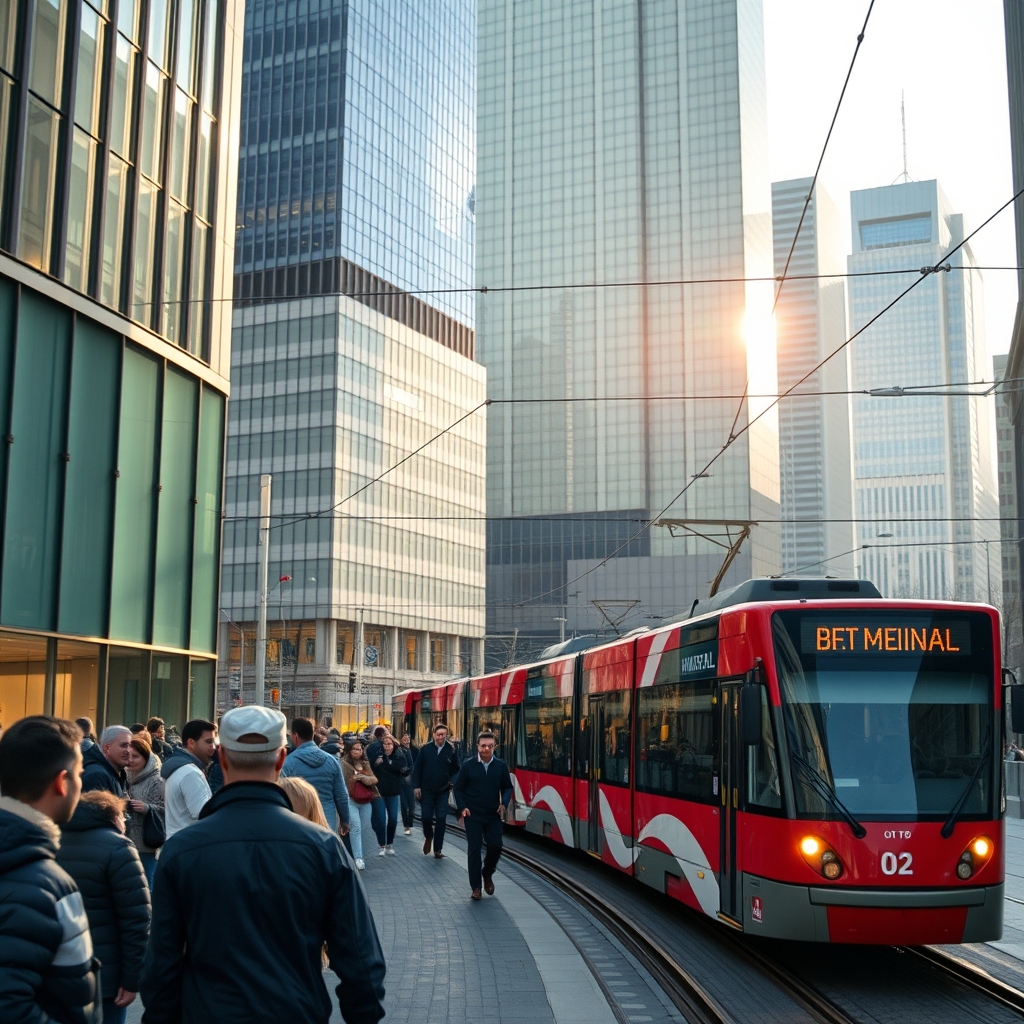
The neighborhood effect
Cafes near stations reported steadier morning trade, while districts built around parking saw softer demand. The change is modest, but it has given city planners a rare chance to test whether small adjustments can produce measurable results.
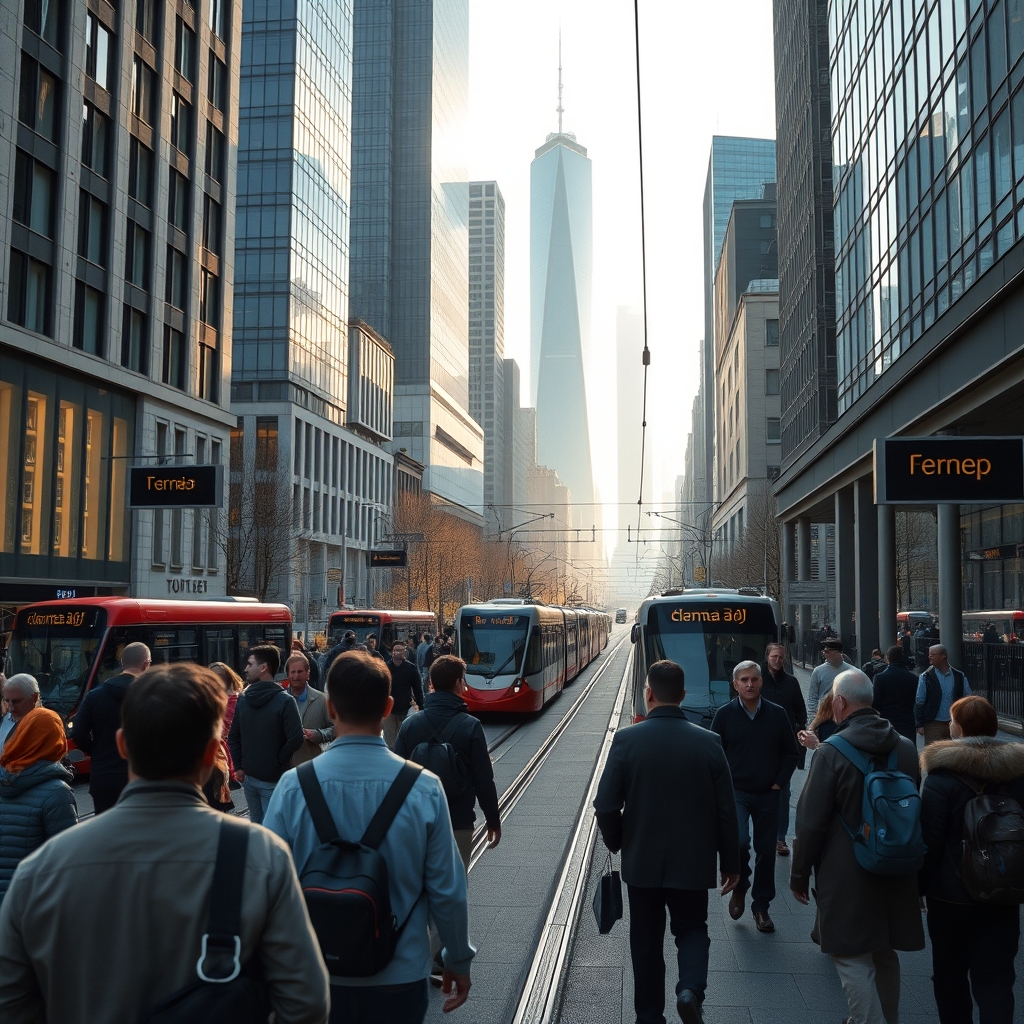
A quiet shift in how city dwellers travel is starting to show up in earnings reports, transport data and the daily rhythm of major financial centers.
Why it matters beyond the city
Global markets react to expectations before they react to facts. A durable change in commuting habits affects energy use, office values and wage negotiations, which is why a local routine can become an international story.

The next thing to watch
The coming months will show whether the pattern survives holidays and bad weather. For now, the safest reading is also the least dramatic: people are still going to work, just with a different sense of time.