What the New Wave of City-to-City Rail Means for Travelers
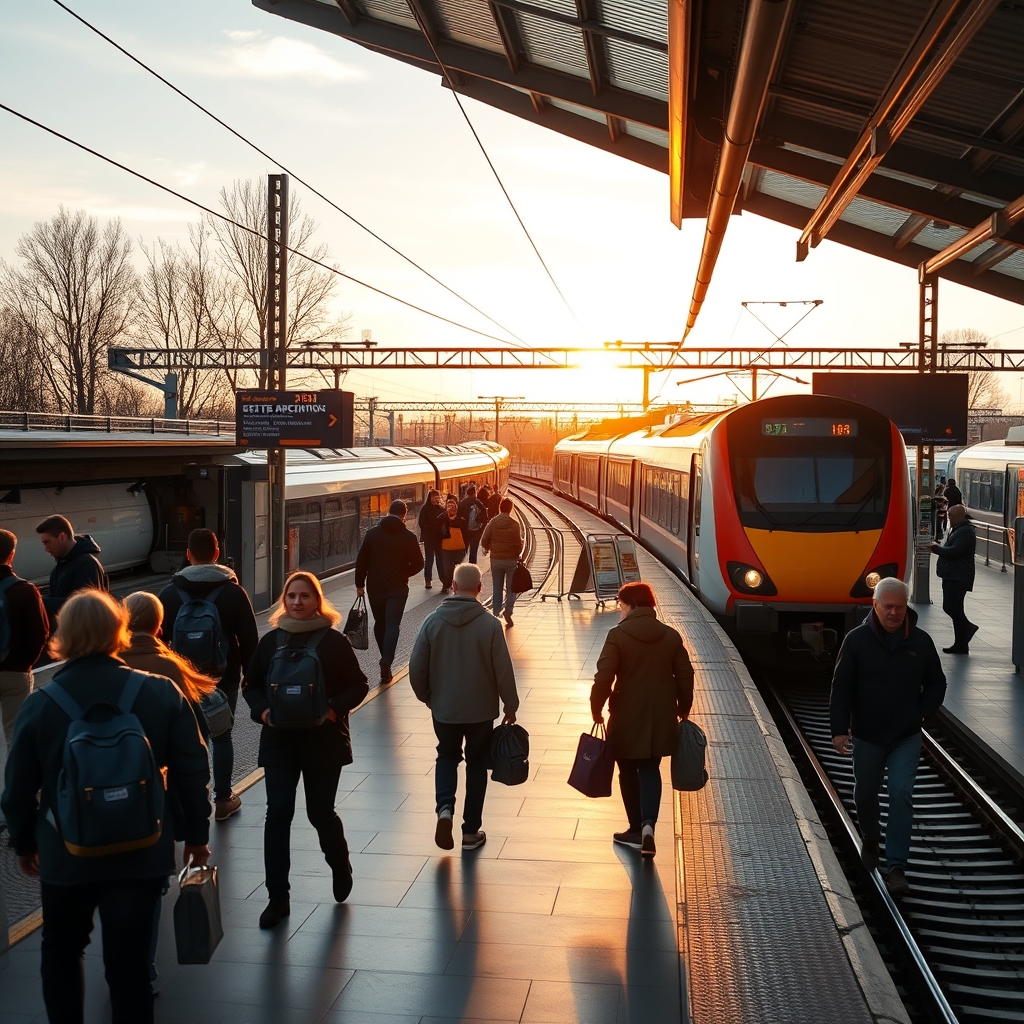
Faster regional rail is redrawing the map of short trips, making smaller cities feel closer and changing the way people plan a weekend away.
A shorter distance on the map
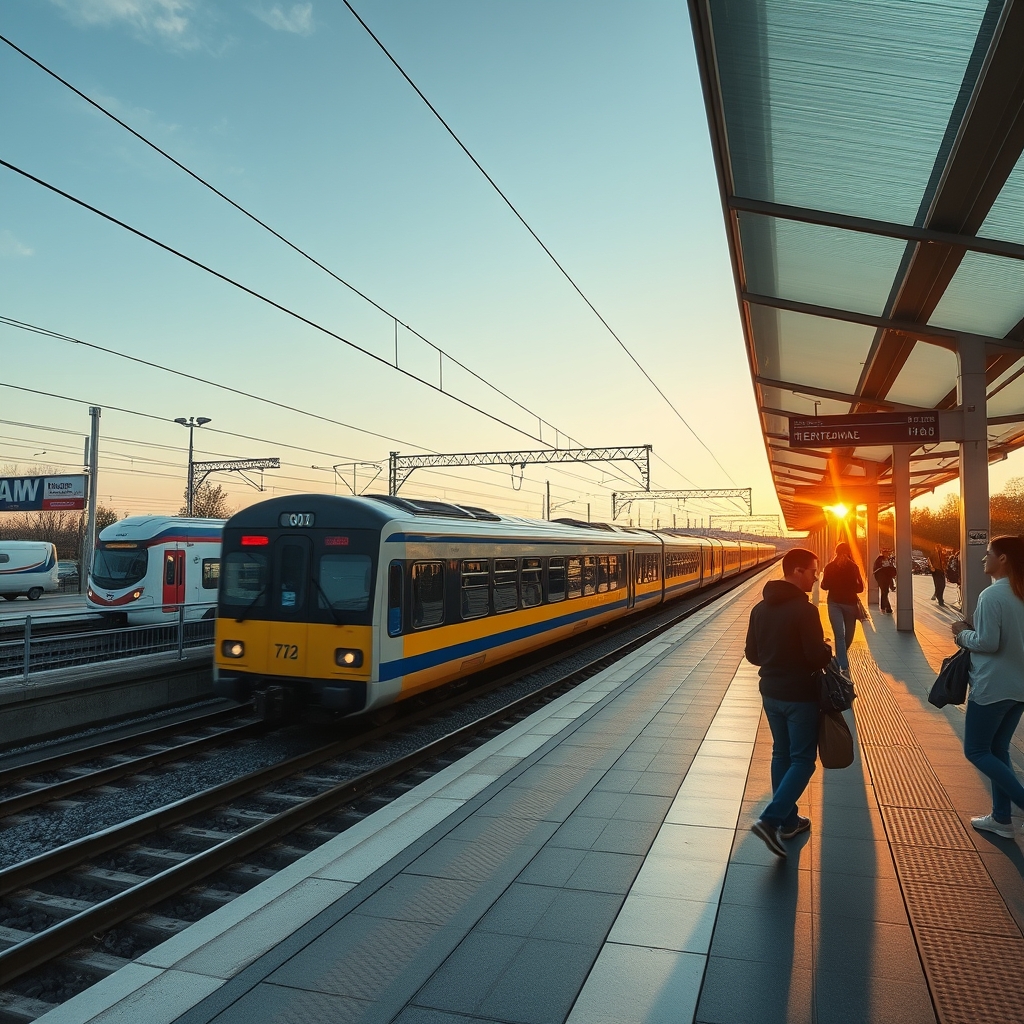
Rail projects that once took decades to plan are entering service in stages. Travelers notice the change first in the timetable: a trip that required an early start now fits comfortably into a day.
How tickets are changing
New pricing models favor flexible passengers. A single account can compare regional fares, seat availability and connecting buses, which makes the choice between rail and driving less abstract.
Winners beyond the terminals
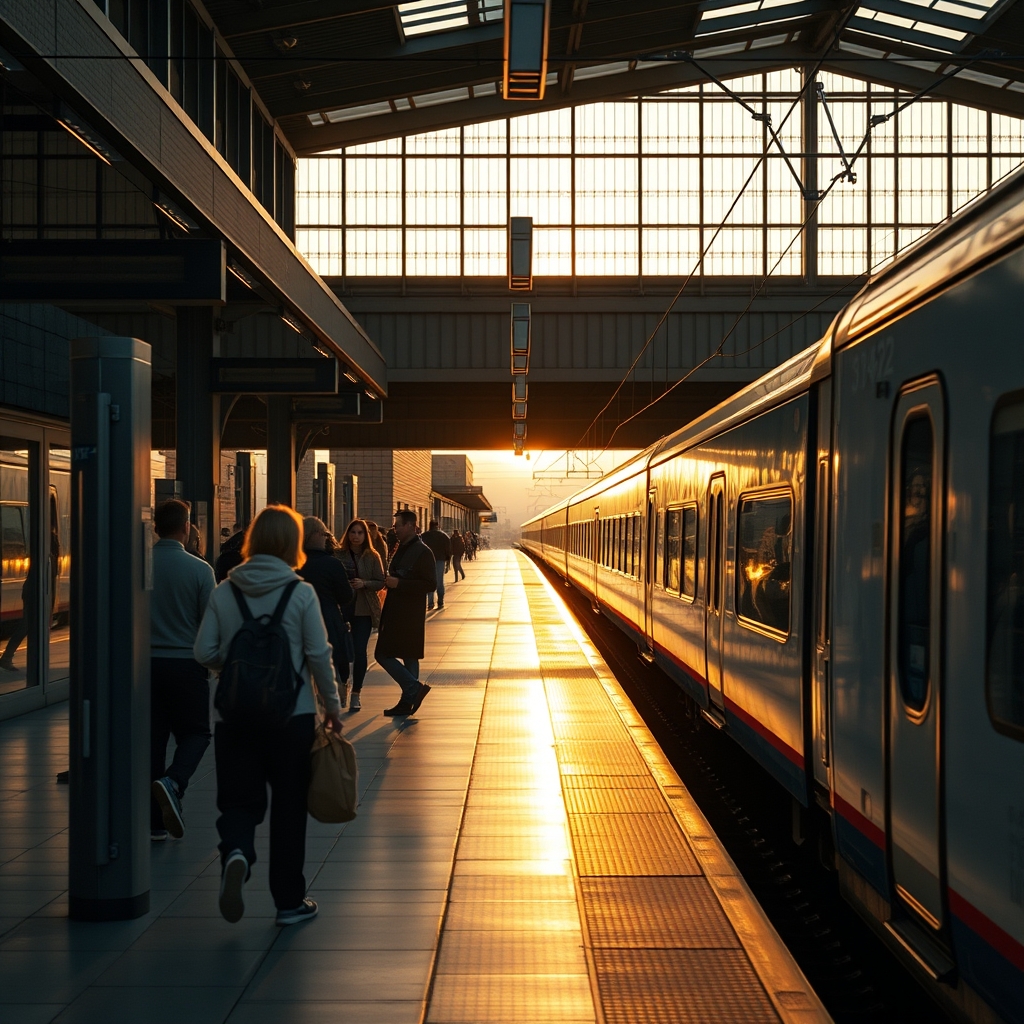
Towns along the line are seeing visitors arrive with more time to spend. Hotel owners and museum curators describe a calmer, midweek audience that does not need a car to reach the center.
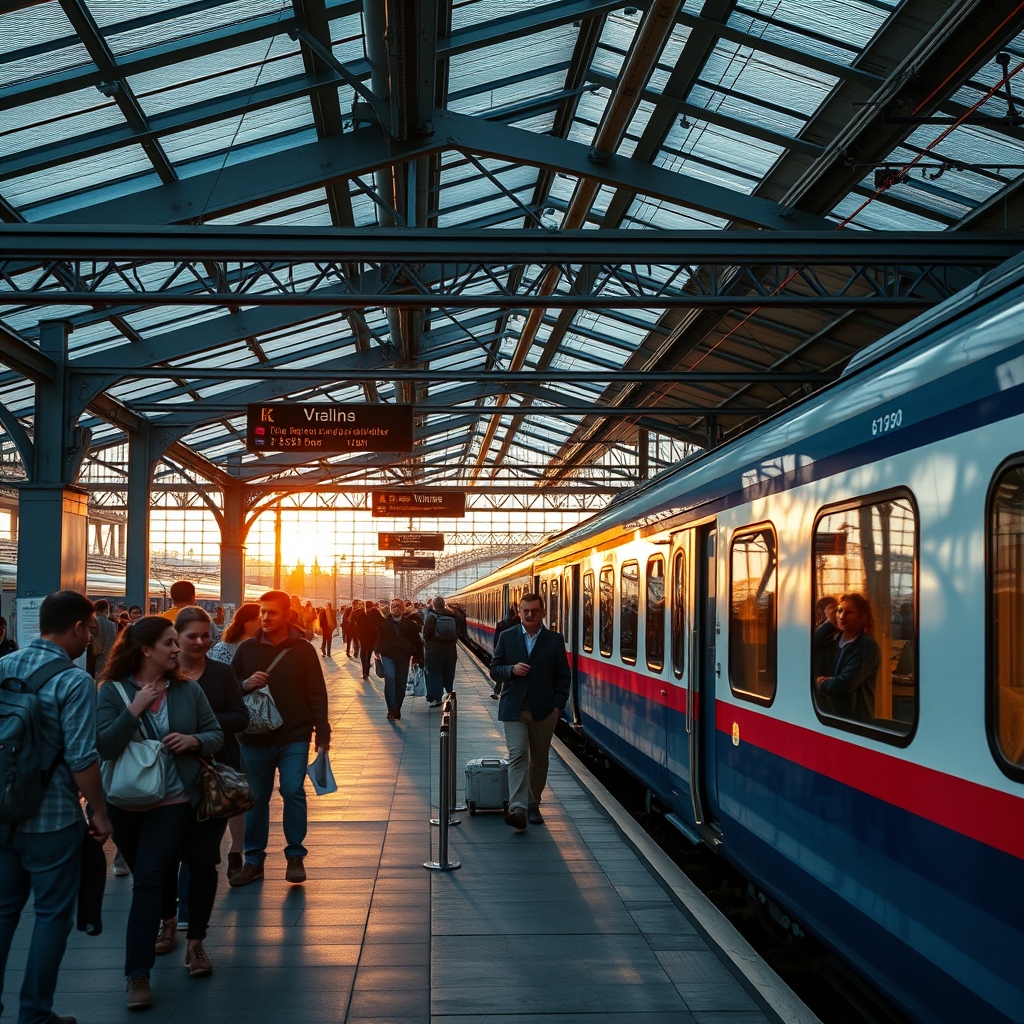
Faster regional rail is redrawing the map of short trips, making smaller cities feel closer and changing the way people plan a weekend away.
The operational challenge
Speed is only useful when the last mile works. Cities are adding bike lanes, better signage and simpler transfers to make sure a fast train does not end in a slow taxi queue.
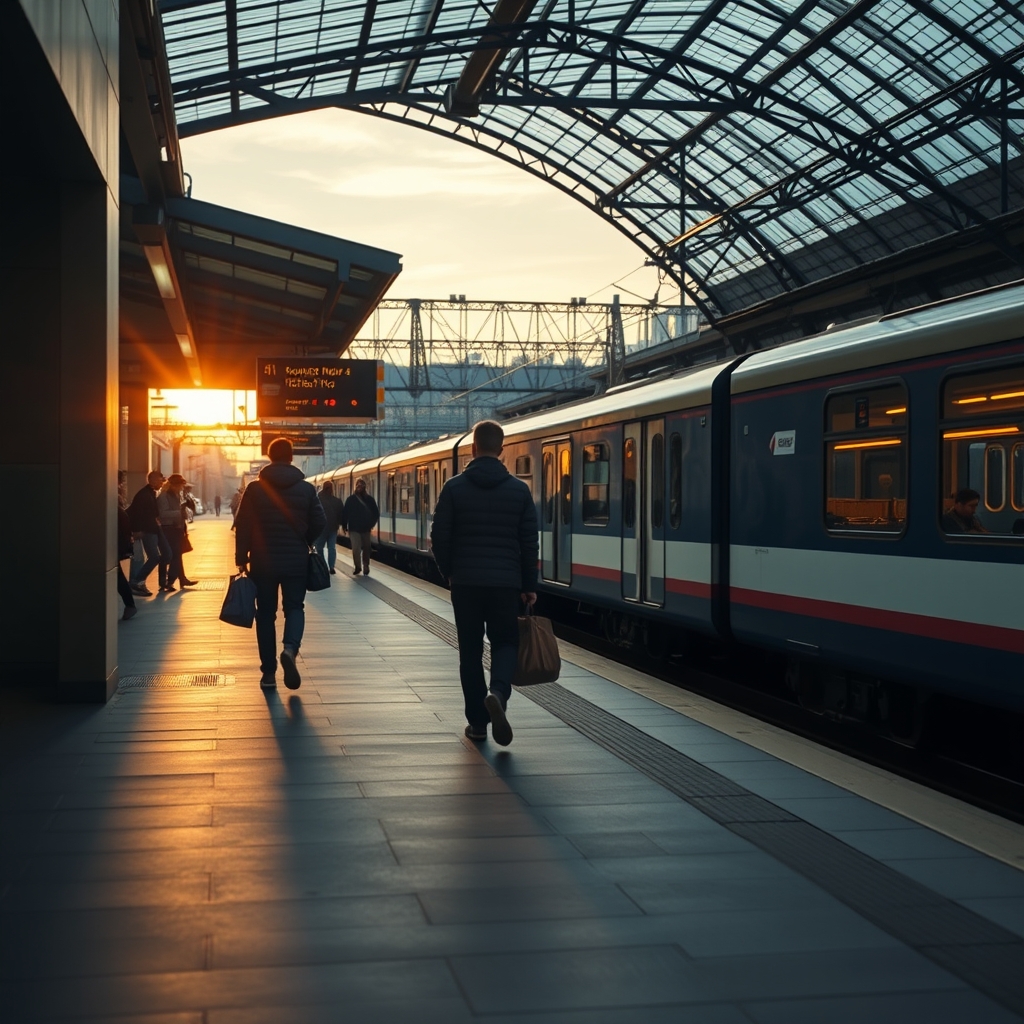
A different kind of trip
The new network encourages shorter, more frequent journeys. That may be the real story: not that people travel farther, but that they travel more often with less planning.