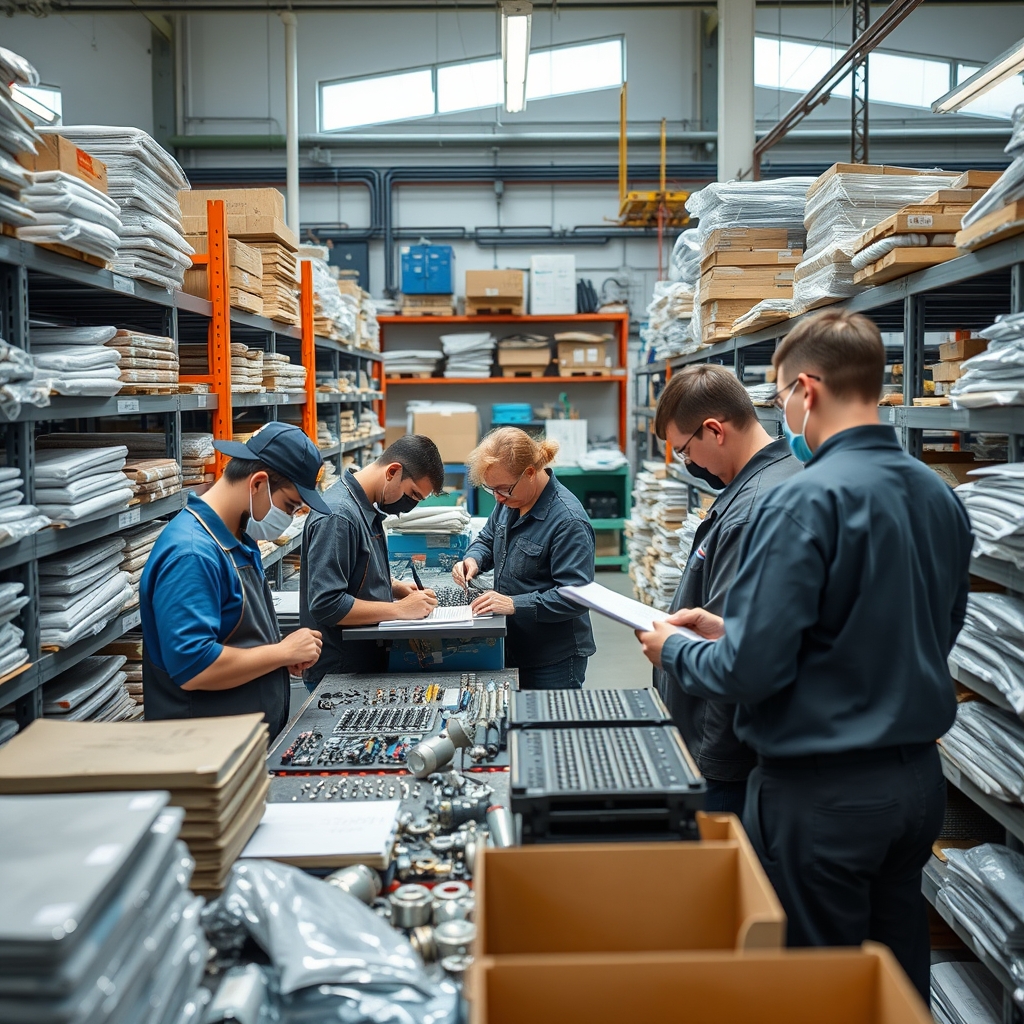
Why Local Supply Chains Are Back in Fashion
After years of optimizing for distance, companies are paying closer attention to the value of suppliers they can reach in a single day.
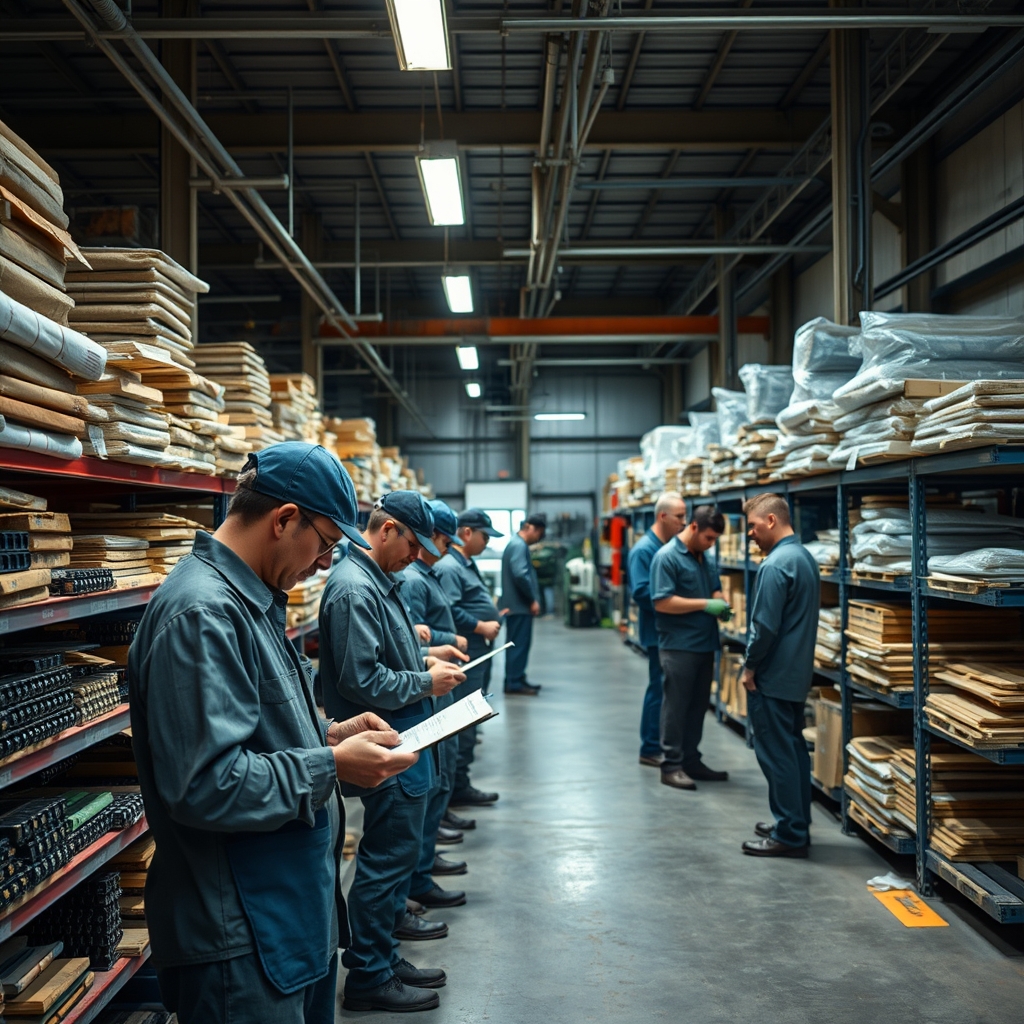
The return of proximity
Long supply chains still make sense for many products. But when demand changes quickly, a nearby supplier can be the difference between a delayed order and a delivered one.
Cost is more than price
Procurement teams are learning to count the hidden costs of distance: inventory, air freight, quality checks and the time spent solving problems across time zones.
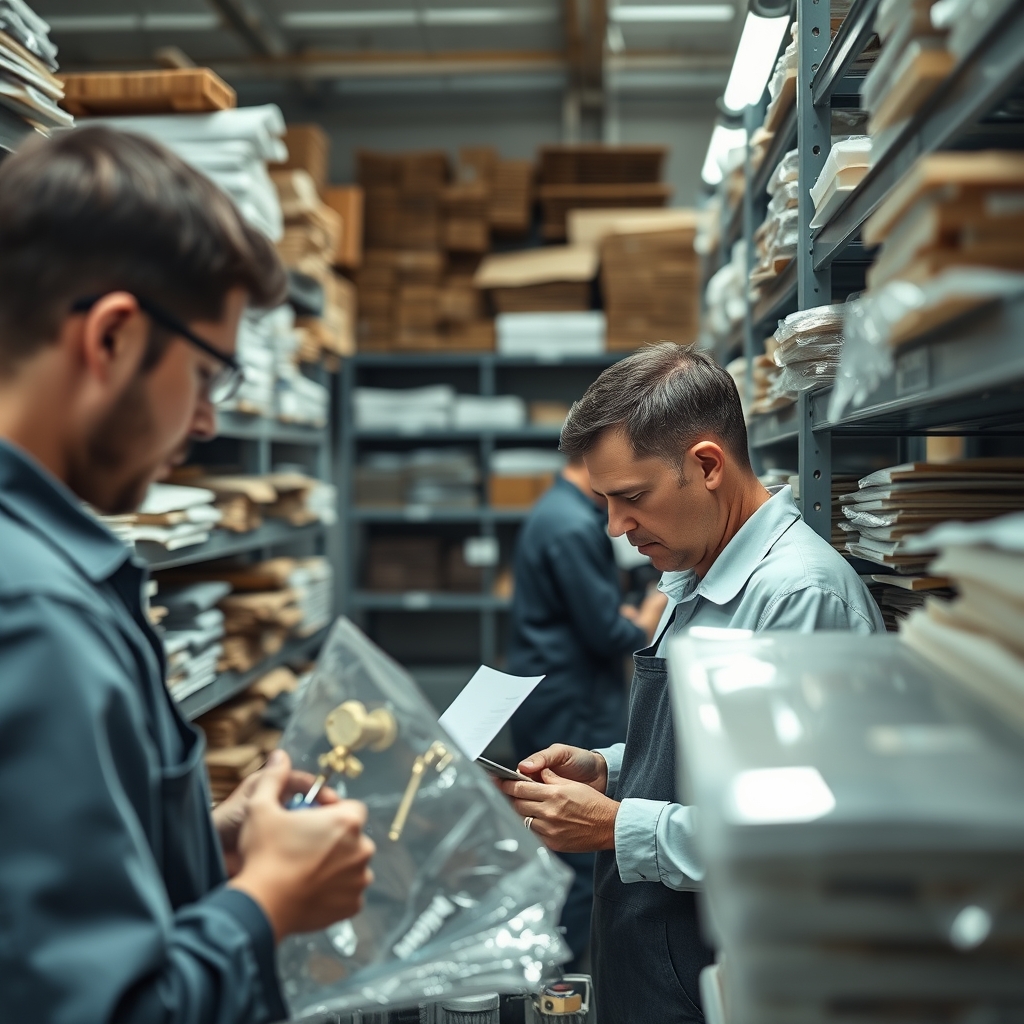
A boost for regional makers
Factories that once served a narrow local market are finding new customers among firms that want shorter lead times. The work is often specialized, steady and easier to schedule.

After years of optimizing for distance, companies are paying closer attention to the value of suppliers they can reach in a single day.
The limits of localization
Not every input can be sourced nearby, and rebuilding capacity takes years. The practical approach is a mix: keep critical items close and use global suppliers where the trade-off is clear.

A more resilient design
The goal is not self-sufficiency. It is a supply chain with options, where a disruption in one place does not stop everything everywhere.